
Current Trends in Genome Assembly and Functional Annotation
Genprice
Scientific Publications

Current Trends in Genome Assembly and Functional Annotation
Introduction
Genome sequencing has become a foundational technique in modern biology and biotechnology. However, the generation of raw sequence data represents only the first step toward biological understanding. Genome assembly and functional annotation transform fragmented sequence reads into coherent genomic structures and biologically meaningful information. Continuous technological and computational advancements have significantly improved the quality, completeness, and interpretability of genome assemblies across diverse organisms.
Current research efforts in genome assembly and annotation focus on improving accuracy, resolving complex genomic regions, and enhancing functional inference, particularly for non-model organisms and large, repetitive genomes.
Evolution of Genome Assembly Strategies
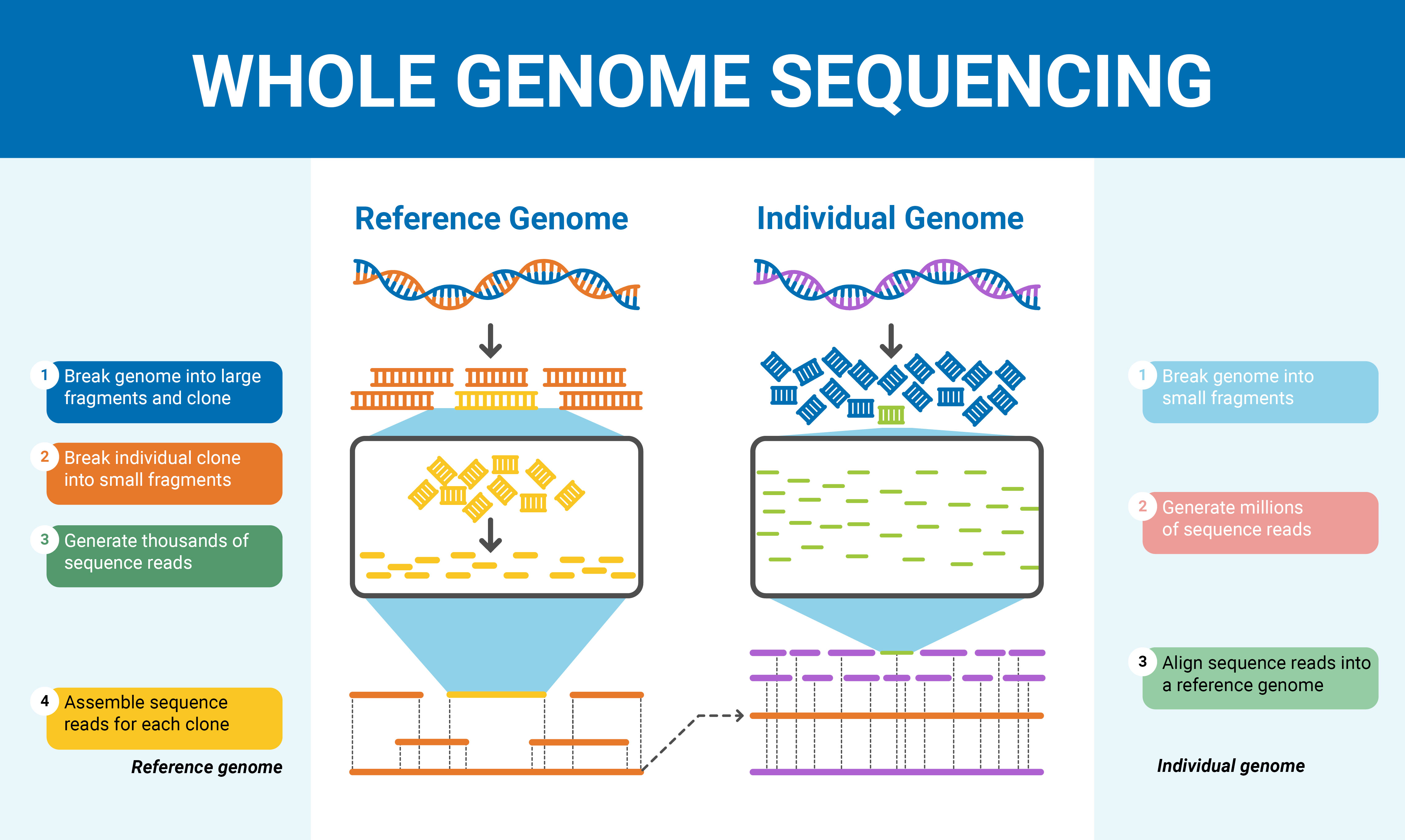
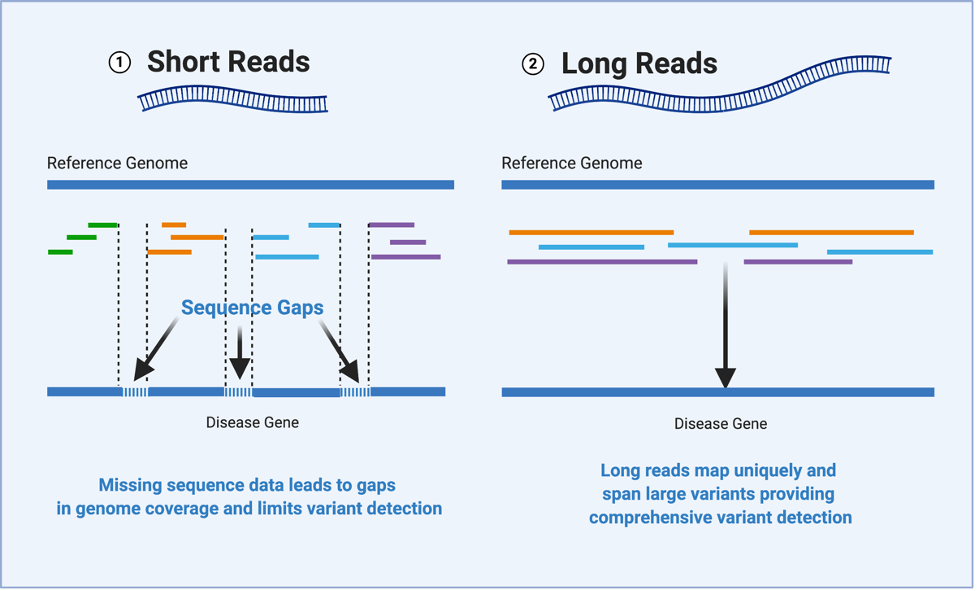
Early genome assemblies relied on short sequencing reads and reference-guided approaches, which often resulted in fragmented assemblies with unresolved gaps. Advances in sequencing chemistry and library preparation have enabled the generation of longer reads, reducing assembly ambiguity and improving contiguity.
Modern assembly strategies integrate multiple data types, including short reads, long reads, and scaffolding information, to reconstruct genomes with greater structural fidelity. These hybrid approaches have become standard practice in many genomics laboratories.
Long-Read Sequencing and Assembly Improvements
Long-read sequencing technologies have had a major impact on genome assembly quality. Their ability to span repetitive regions, structural variants, and complex genomic rearrangements allows for more complete assemblies with fewer contigs.
Improved error-correction algorithms and polishing strategies now enable researchers to combine the accuracy of short reads with the continuity of long reads, resulting in high-quality assemblies suitable for downstream functional analysis.
Challenges in Assembling Complex Genomes
Certain genomes present persistent challenges due to high repeat content, polyploidy, or large genome size. Plant and fungal genomes, for example, often contain extensive repetitive sequences that complicate assembly.
Current trends in genome assembly research emphasize algorithmic refinement, improved repeat resolution, and the use of chromatin conformation data to support large-scale structural reconstruction.
Functional Annotation: From Sequence to Biology
Functional annotation assigns biological meaning to genomic sequences by identifying genes, regulatory elements, and functional motifs. This process typically involves gene prediction, similarity-based annotation, and functional classification using curated databases.
Advances in annotation pipelines have improved the identification of coding sequences, non-coding RNAs, and regulatory regions, even in poorly characterized organisms. Automated annotation systems are increasingly supplemented by manual curation to improve accuracy.
Comparative Genomics and Annotation Transfer
Comparative genomics plays a critical role in functional annotation. By comparing newly assembled genomes to well-annotated references, researchers can infer gene function, evolutionary relationships, and conserved regulatory mechanisms.
This approach is particularly valuable in biotechnology research, where understanding functional conservation supports strain optimization and system-level analysis.
Integration with Experimental Data
Genome annotation is increasingly informed by experimental datasets such as transcriptomic and proteomic measurements. These data help validate gene models, refine exon–intron boundaries, and confirm functional predictions.
The integration of experimental evidence into annotation workflows enhances biological relevance and supports more accurate genome interpretation.
Future Directions
Future trends in genome assembly and annotation are expected to focus on telomere-to-telomere assemblies, improved representation of structural variation, and enhanced annotation of regulatory elements. As sequencing technologies and computational methods continue to evolve, genome assemblies will become increasingly comprehensive and functionally informative.